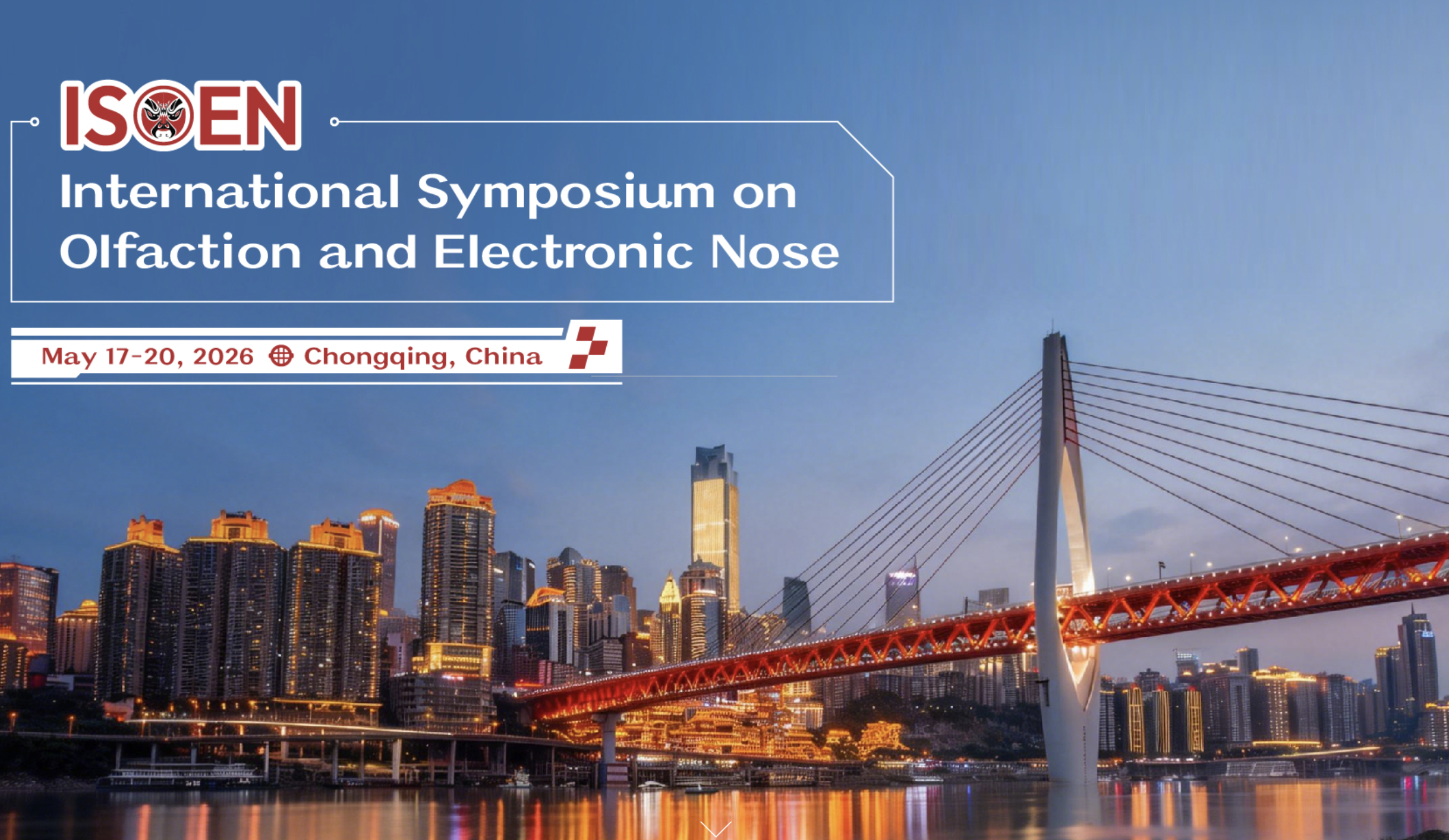
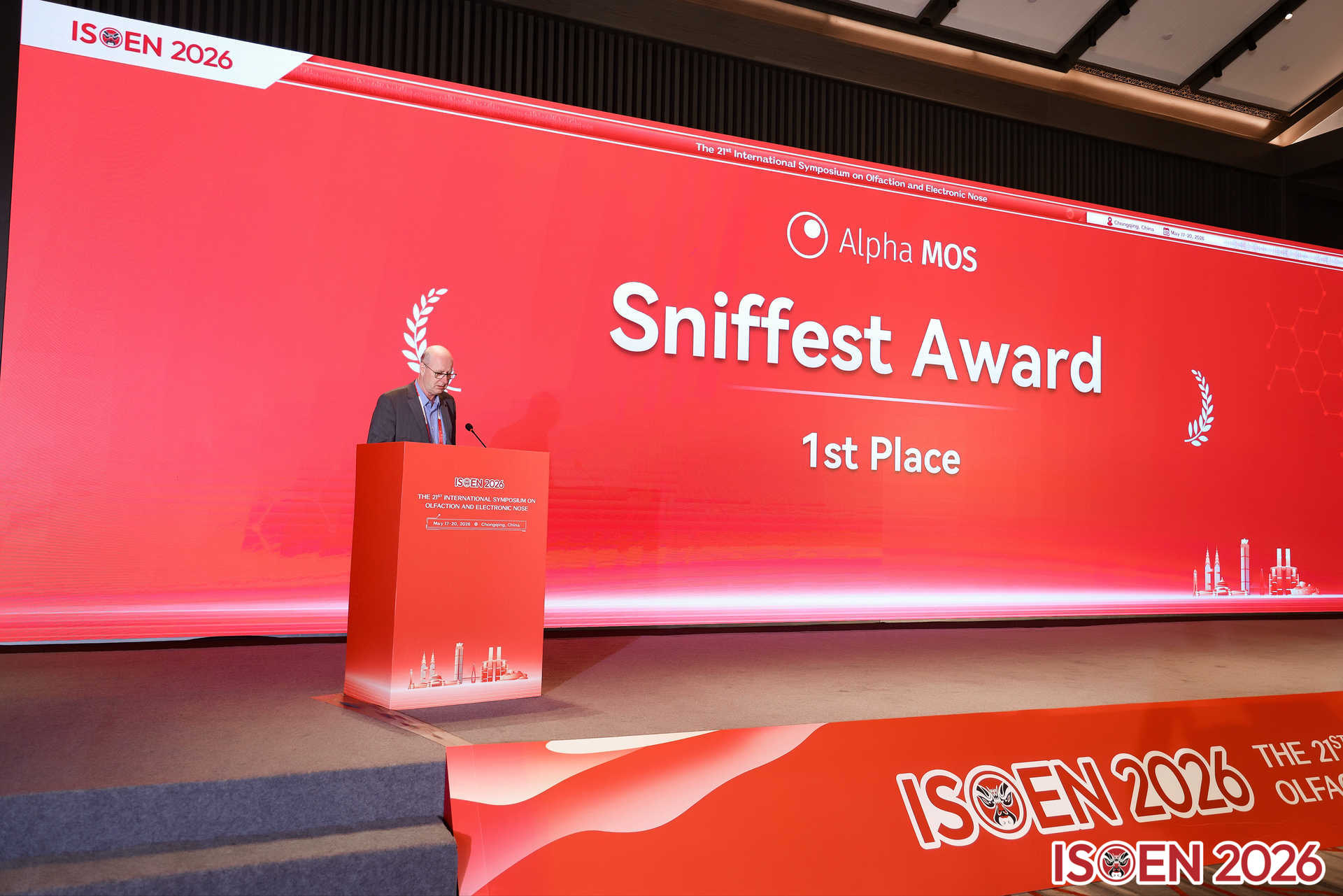
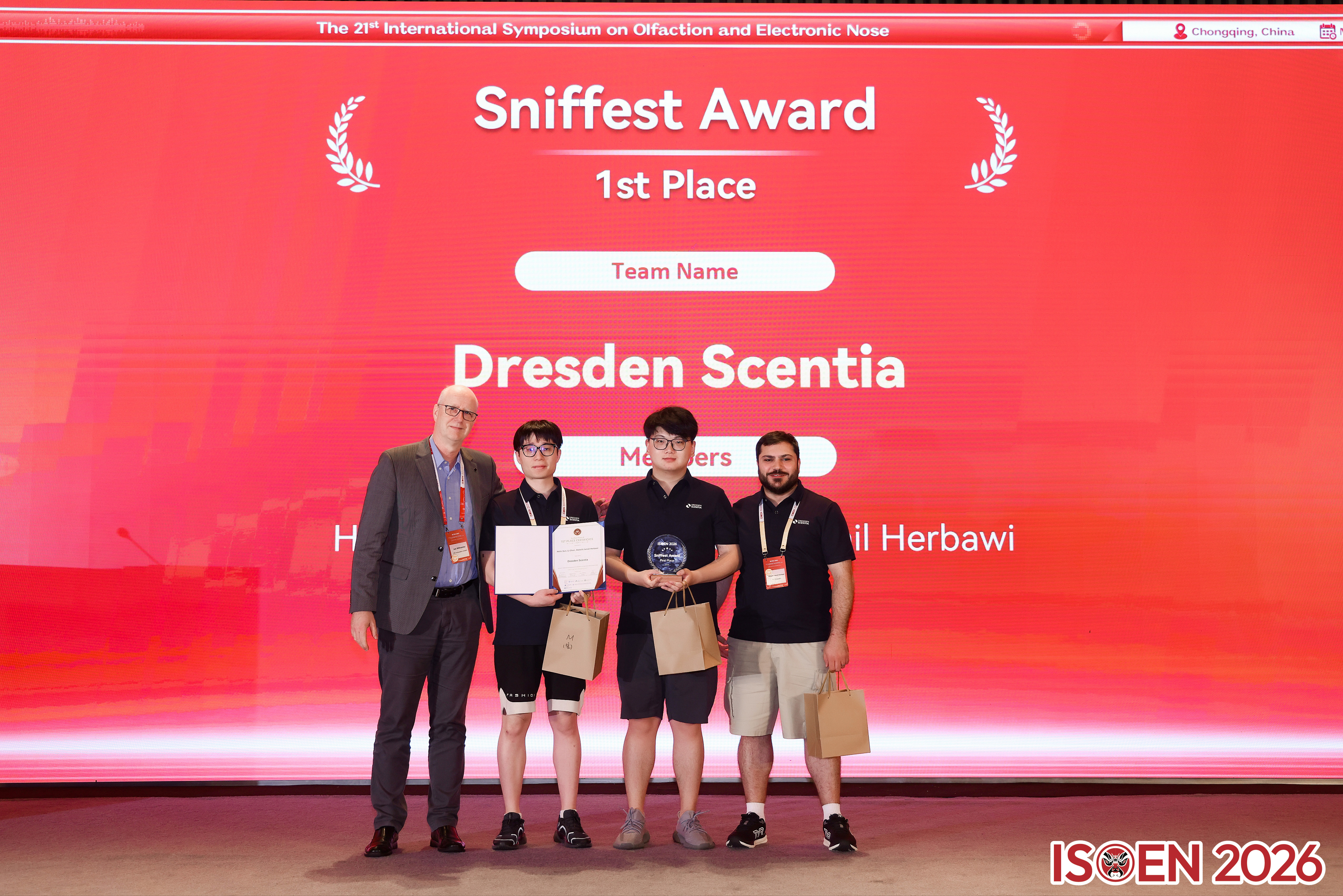
Chongqing, China, 2026 - The TU Dresden team Dresden Scentia has won First Prize at the international Sniffest Competition during IEEE-ISOEN 2026, held in Chongqing, China.
The Sniffest Competition is widely regarded as one of the premier international benchmarks for electronic nose systems. It challenges teams to demonstrate real-world performance in odor detection and classification, with a strong focus on accuracy, speed, and time to detection. By evaluating electronic olfaction platforms under demanding competitive conditions, Sniffest contributes to defining new technological standards for the intelligent gas-sensing industry.
This year’s challenge focused on the identification and classification of Traditional Chinese Medicine odorants using self-developed electronic nose systems. The competition consisted of two highly demanding rounds. In the first round, teams were required to correctly classify three samples selected from five individual odorants. In the second round, participants had to identify one binary odorant mixture selected from ten possible combinations, significantly increasing the complexity of the task.
The systems were evaluated across six categories: accuracy, detection speed, device appearance and integration, system weight and portability, presentation quality, novelty, and innovation.
The competition attracted eight international teams from around the world, including five teams from leading Chinese universities, and one team each from Italy, Spain, and Germany.
Following two rounds of intensive competition, Dresden Scentia achieved the highest overall score, demonstrating exceptional performance in sensing accuracy, system integration, real-time analysis, and innovation.
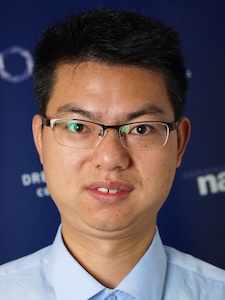
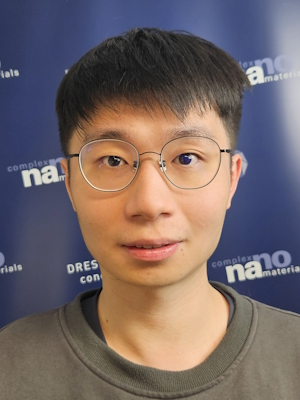
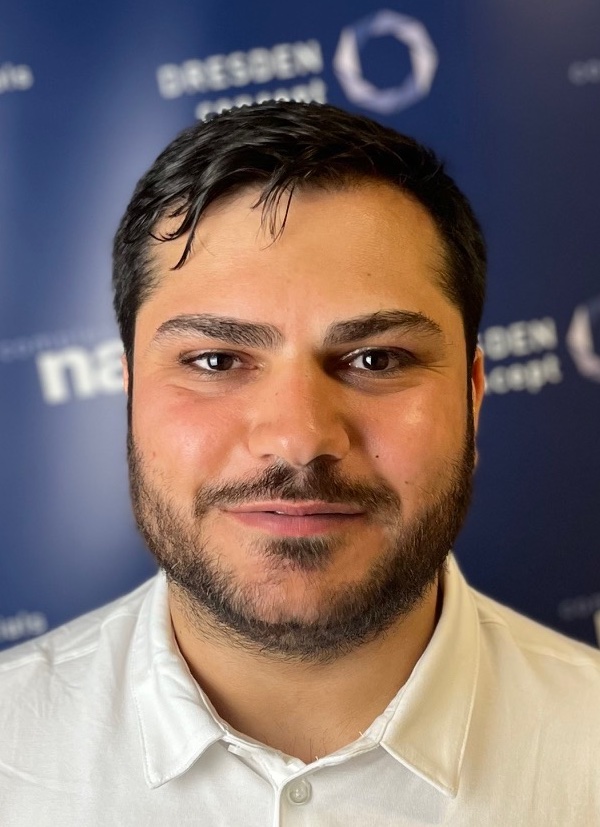
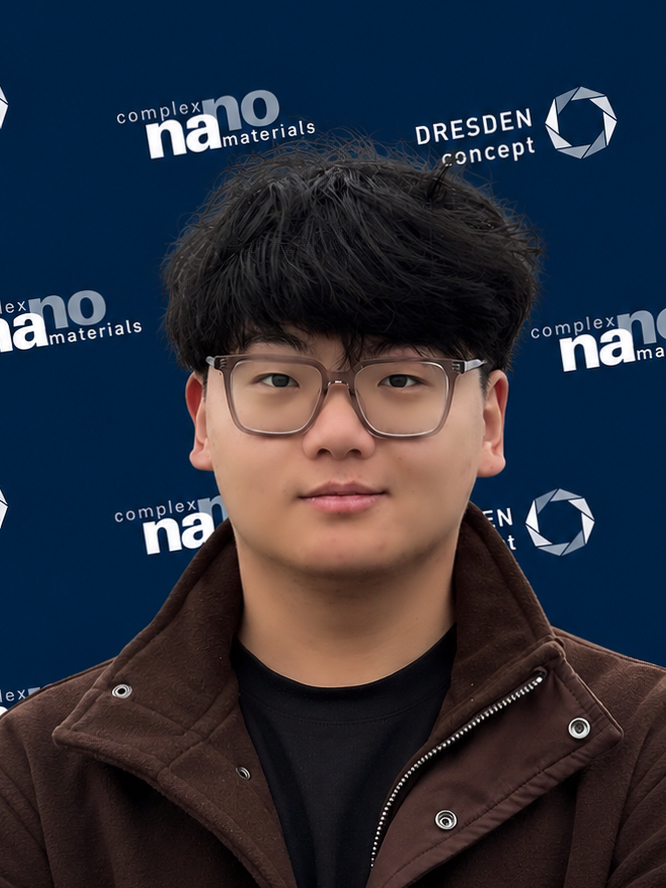
The team consisted of three TU Dresden PhD students: Helin Sun, Abdallh Herbawe, and Li Chen, guided by the expert coaching and scientific mentorship of senior scientists Dr. Leif Riemenschneider and Dr. Shirong Huang.
“I am very proud of our team, who managed to reach this ambitious objective,” said Prof. Gianaurelio Cuniberti, Chair of Materials Science and Nanotechnology at TU Dresden. “This success relies on advanced materials, highly sophisticated machine learning algorithms, and the ability to integrate both into a robust sensing system. These are remarkable times for electronic olfaction, and we are riding this wave with the excellent teaching and research infrastructure that TU Dresden offers. This environment enables us to attract outstanding talents from all over the world.” |






 A dataset of laymen olfactory perception for 74 mono-molecular odors
 MORE-Q, a dataset for molecular olfactorial receptor engineering by quantum mechanics
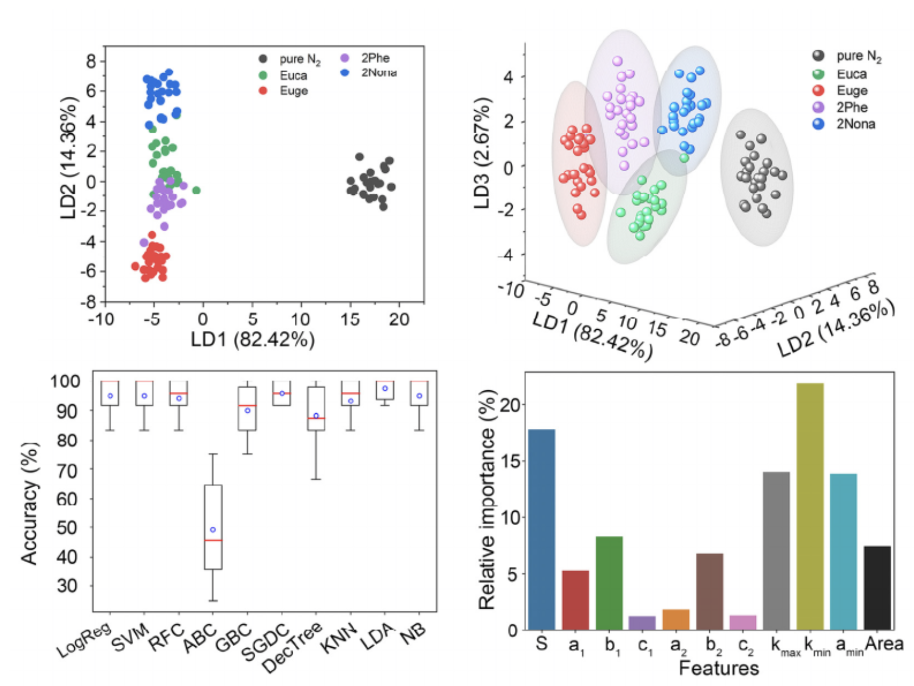
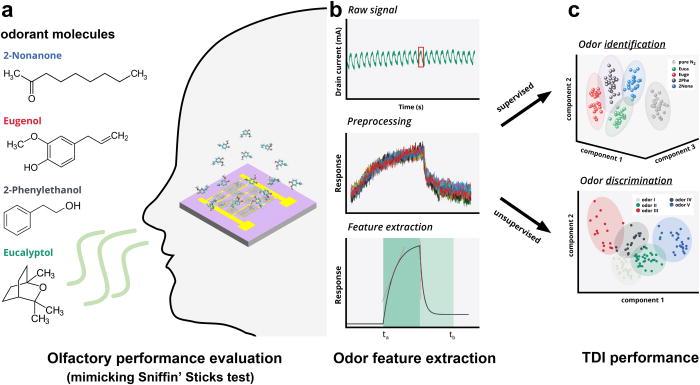 Machine learning-enabled graphene-based electronic olfaction sensors and their olfactory performance assessment
 Olfactory perception in relation to the physicochemical odor space
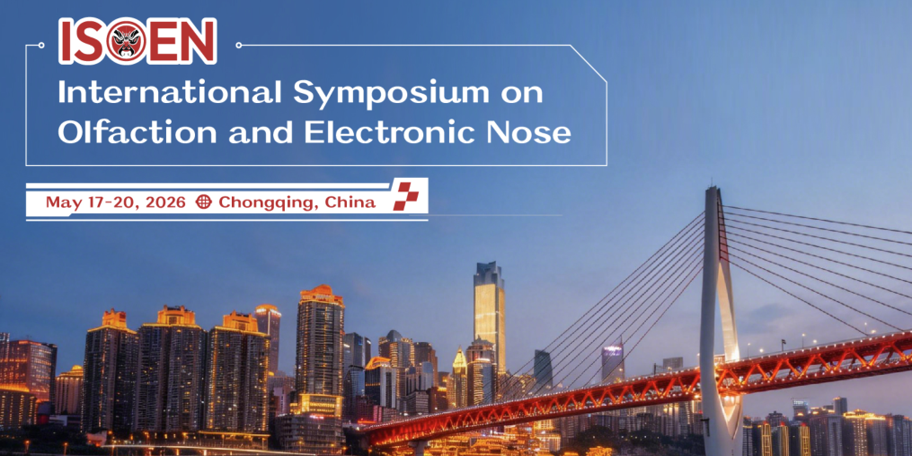


Chongqing, China, 2026 - The TU Dresden team Dresden Scentia has won First Prize at the international Sniffest Competition during IEEE-ISOEN 2026, held in Chongqing, China.
The Sniffest Competition is widely regarded as one of the premier international benchmarks for electronic nose systems. It challenges teams to demonstrate real-world performance in odor detection and classification, with a strong focus on accuracy, speed, and time to detection. By evaluating electronic olfaction platforms under demanding competitive conditions, Sniffest contributes to defining new technological standards for the intelligent gas-sensing industry.
This year’s challenge focused on the identification and classification of Traditional Chinese Medicine odorants using self-developed electronic nose systems. The competition consisted of two highly demanding rounds. In the first round, teams were required to correctly classify three samples selected from five individual odorants. In the second round, participants had to identify one binary odorant mixture selected from ten possible combinations, significantly increasing the complexity of the task.
The systems were evaluated across six categories: accuracy, detection speed, device appearance and integration, system weight and portability, presentation quality, novelty, and innovation.
The competition attracted eight international teams from around the world, including five teams from leading Chinese universities, and one team each from Italy, Spain, and Germany.
Following two rounds of intensive competition, Dresden Scentia achieved the highest overall score, demonstrating exceptional performance in sensing accuracy, system integration, real-time analysis, and innovation.
The team consisted of three TU Dresden PhD students: Helin Sun, Abdallh Herbawe, and Li Chen, guided by the expert coaching and scientific mentorship of senior scientists Dr. Leif Riemenschneider and Dr. Shirong Huang.
“I am very proud of our team, who managed to reach this ambitious objective,” said Prof. Gianaurelio Cuniberti, Chair of Materials Science and Nanotechnology at TU Dresden. “This success relies on advanced materials, highly sophisticated machine learning algorithms, and the ability to integrate both into a robust sensing system. These are remarkable times for electronic olfaction, and we are riding this wave with the excellent teaching and research infrastructure that TU Dresden offers. This environment enables us to attract outstanding talents from all over the world.” |
A dataset of laymen olfactory perception for 74 mono-molecular odors
MORE-Q, a dataset for molecular olfactorial receptor engineering by quantum mechanics
Machine learning-enabled graphene-based electronic olfaction sensors and their olfactory performance assessment
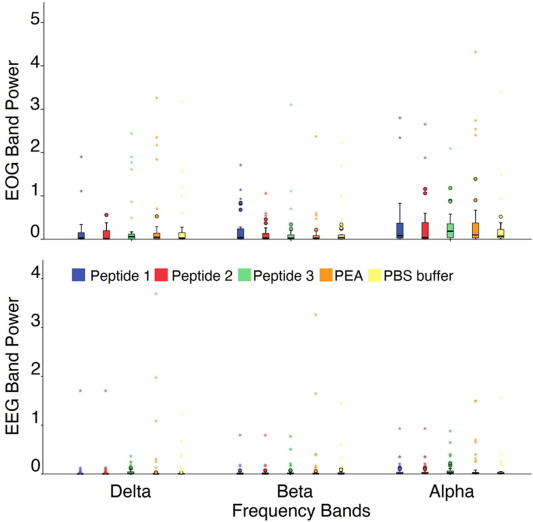
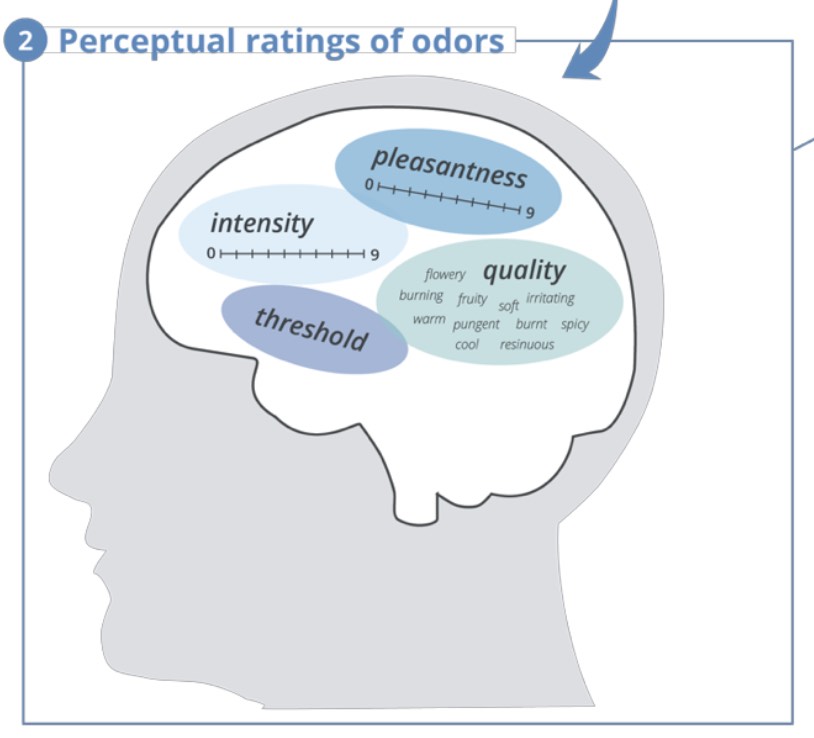
Olfactory perception in relation to the physicochemical odor space