
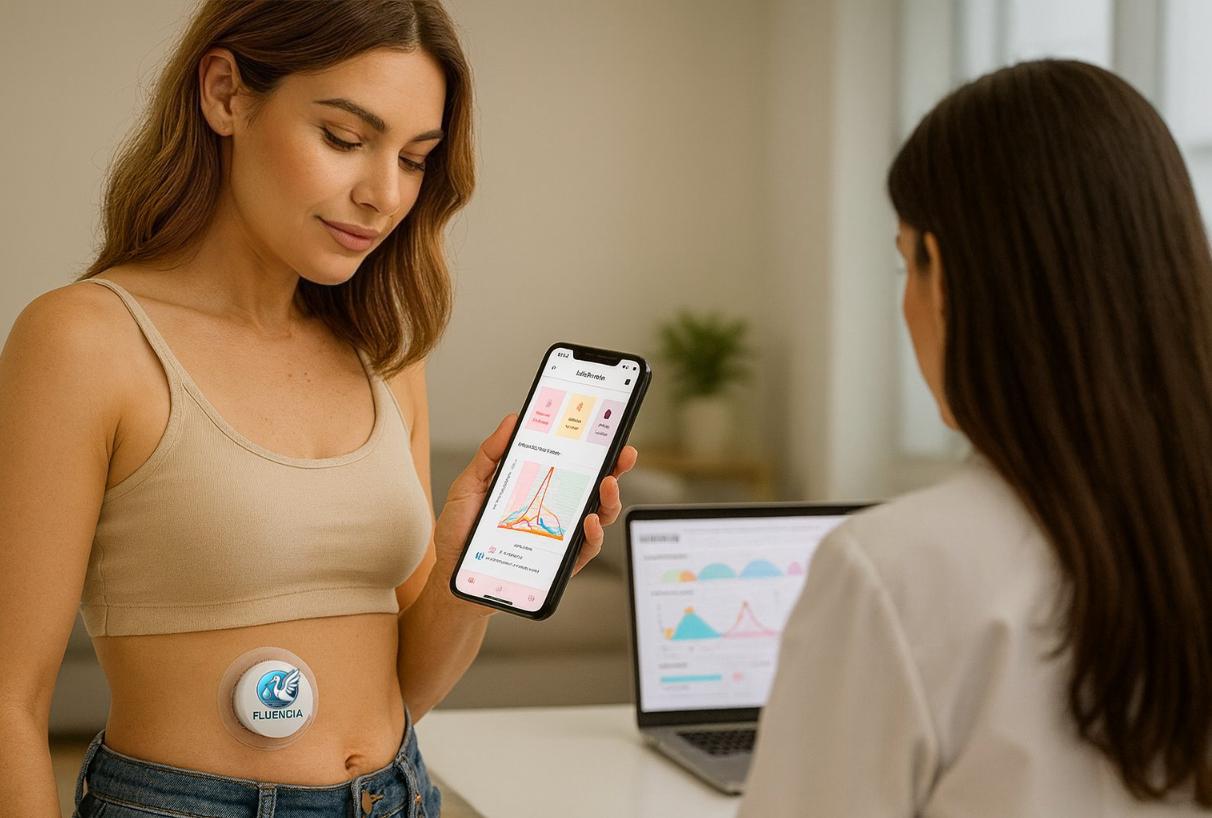
Women’s health is entering a measurable era. Hormones that govern fertility, ovarian aging, and the transition to menopause fluctuate dynamically, yet clinical practice still relies on sporadic blood tests that capture only brief snapshots of a highly dynamic system. The gap between biological reality and clinical measurement is large, and that gap carries economic and medical consequences. Female infertility is a growing challenge, particularly in Europe, while IVF and related treatments still depend on intermittent blood testing and narrow timing windows. Clinical decisions are often made from incomplete hormone snapshots, which can reduce treatment efficiency and increase risks such as ovarian hyperstimulation syndrome. The need extends beyond infertility: conditions such as premature ovarian insufficiency and menopause also require better hormonal insight to enable earlier diagnosis, more personalized therapy, and improved quality of life.
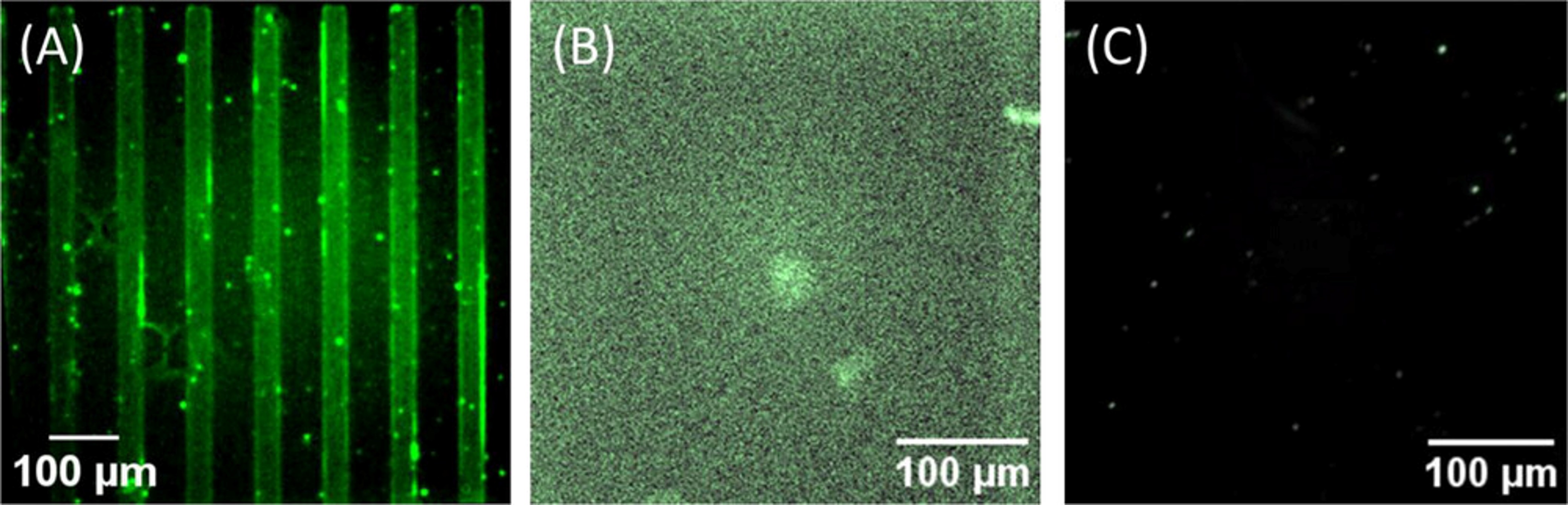
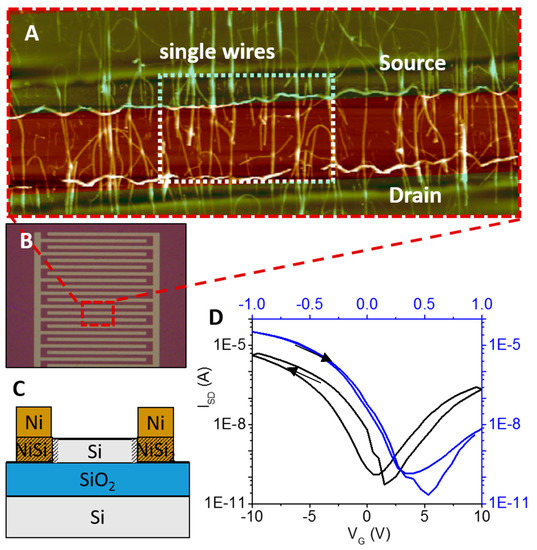
 Aptamer-Functionalized Silicon Nanonet-Based Field-Effect-Transistors Combined with Machine Learning for Real-Time Detection of 17β-Estradiol
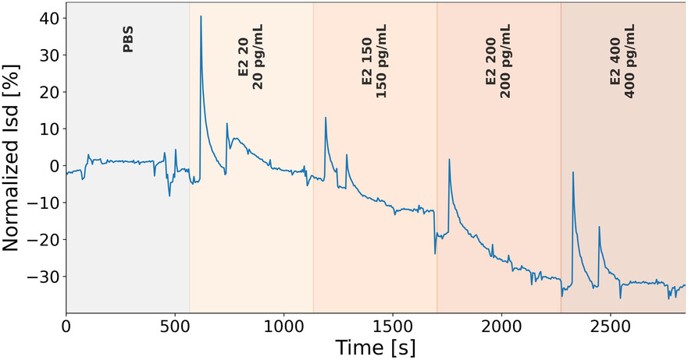 Machine Learning-Driven Digital Twin of a Field-Effect Transistor-Based Hormone Biosensor for Real-Time Estradiol Monitoring
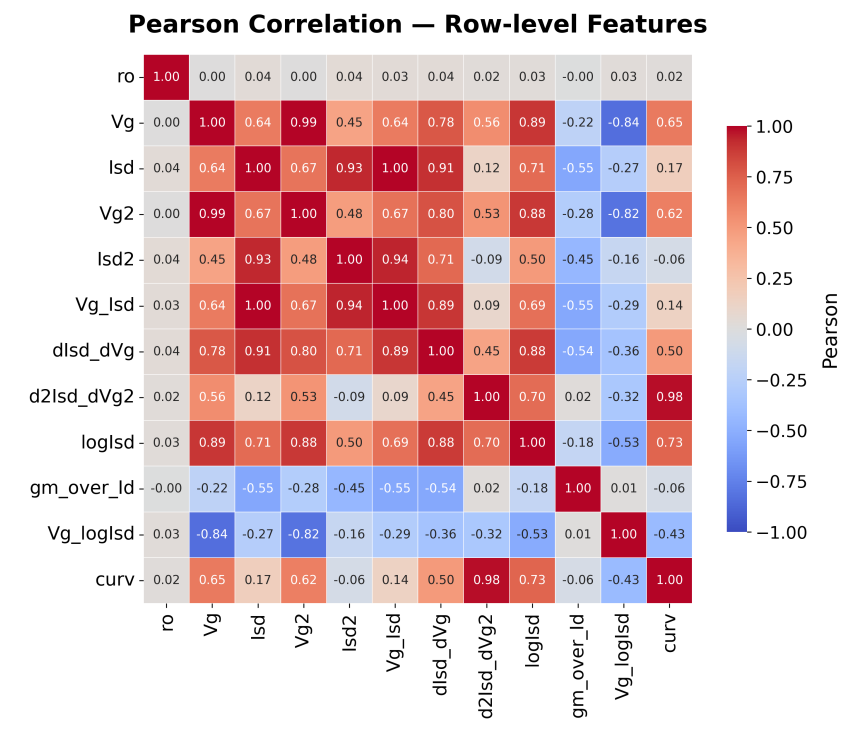 Toward a Machine Learning-Driven Digital Twin for Real-Time Hormone Biosensing in Personalized Infertility Care
 Evaluation of Transducer Elements Based on Different Material Configurations for Aptamer-Based Electrochemical Biosensors
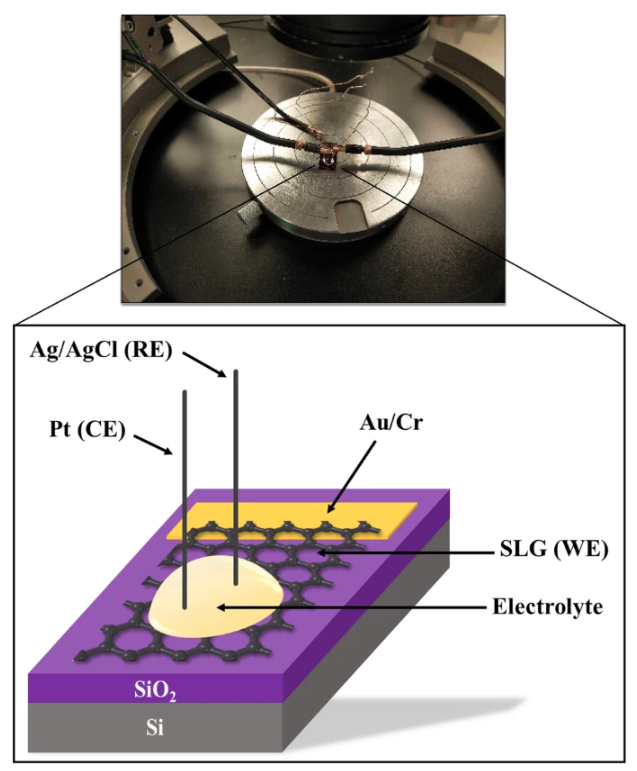 Conductivity monitoring of PBASE functionalized CVD graphene electrode for biosensor applications
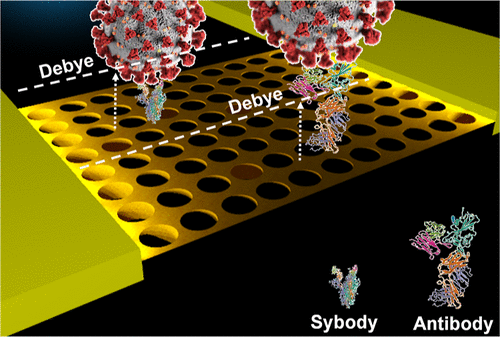
 Hydrogel-Gated Silicon Nanotransistors for SARS-CoV-2 Antigen Detection in Physiological Ionic Strength
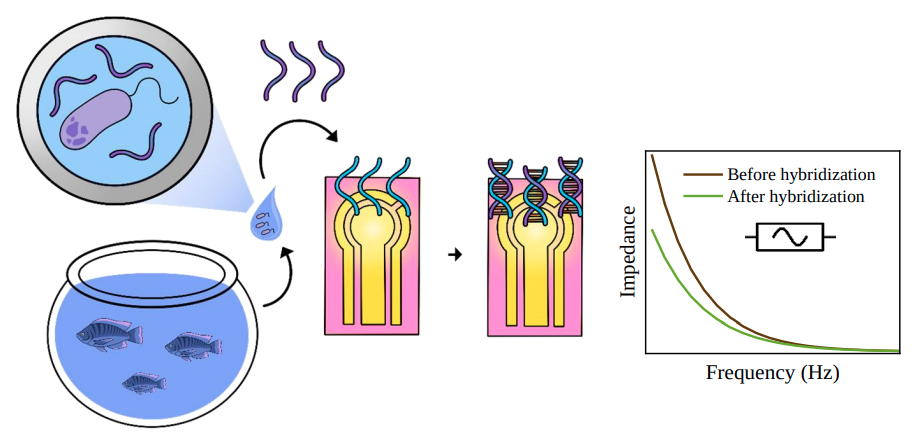
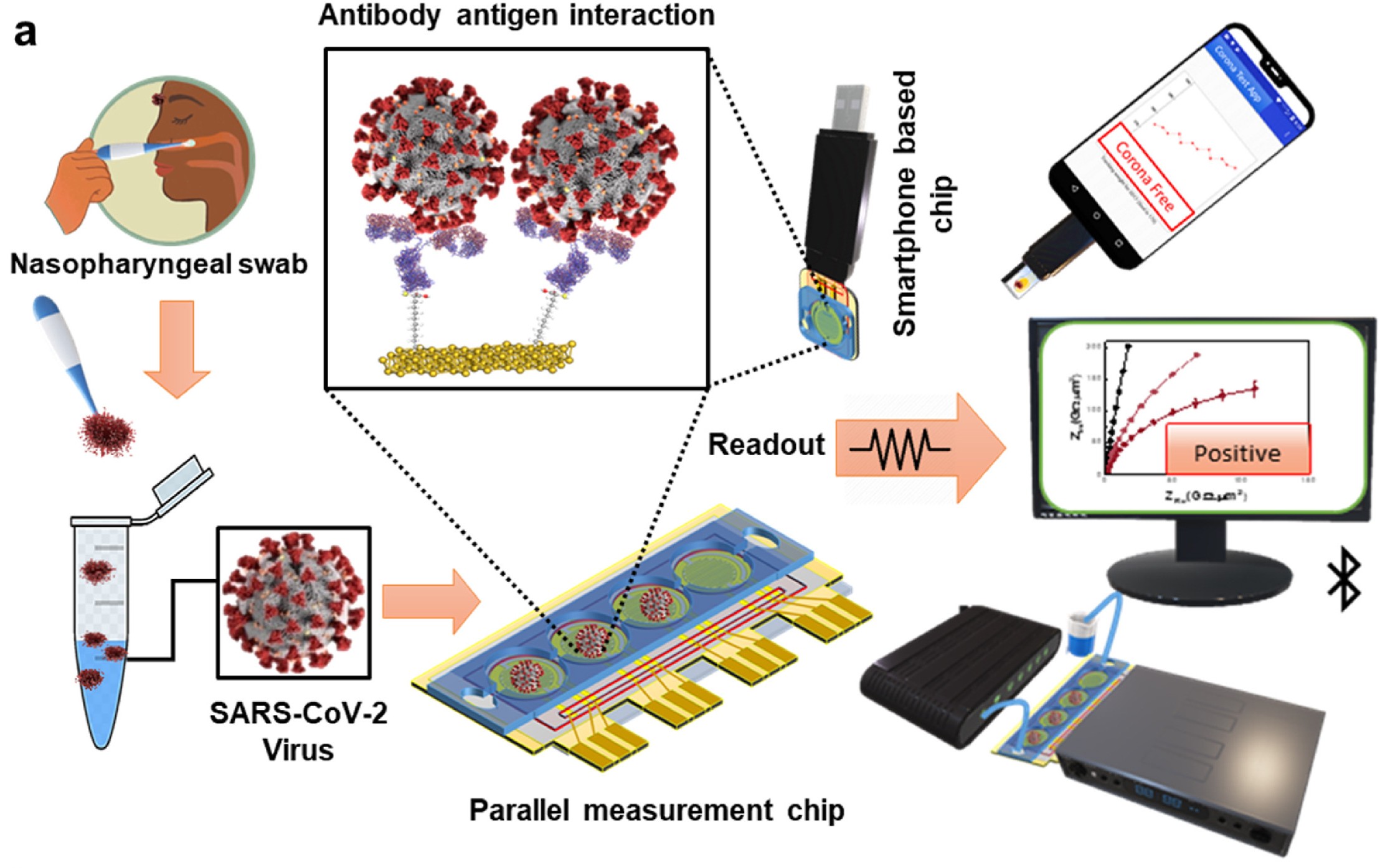 Portable microfluidic impedance biosensor for SARS-CoV-2 detection
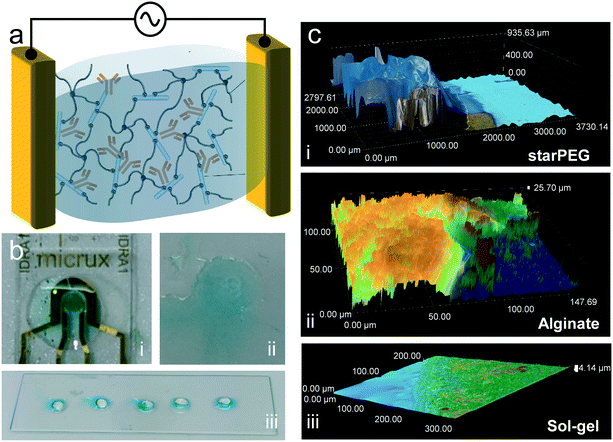 StarPEG-heparin biosensors for rapid and portable diagnostics in complex biofluids

Women’s health is entering a measurable era. Hormones that govern fertility, ovarian aging, and the transition to menopause fluctuate dynamically, yet clinical practice still relies on sporadic blood tests that capture only brief snapshots of a highly dynamic system. The gap between biological reality and clinical measurement is large, and that gap carries economic and medical consequences. Female infertility is a growing challenge, particularly in Europe, while IVF and related treatments still depend on intermittent blood testing and narrow timing windows. Clinical decisions are often made from incomplete hormone snapshots, which can reduce treatment efficiency and increase risks such as ovarian hyperstimulation syndrome. The need extends beyond infertility: conditions such as premature ovarian insufficiency and menopause also require better hormonal insight to enable earlier diagnosis, more personalized therapy, and improved quality of life.
Aptamer-Functionalized Silicon Nanonet-Based Field-Effect-Transistors Combined with Machine Learning for Real-Time Detection of 17β-Estradiol
Machine Learning-Driven Digital Twin of a Field-Effect Transistor-Based Hormone Biosensor for Real-Time Estradiol Monitoring
Toward a Machine Learning-Driven Digital Twin for Real-Time Hormone Biosensing in Personalized Infertility Care
Evaluation of Transducer Elements Based on Different Material Configurations for Aptamer-Based Electrochemical Biosensors
Conductivity monitoring of PBASE functionalized CVD graphene electrode for biosensor applications
Hydrogel-Gated Silicon Nanotransistors for SARS-CoV-2 Antigen Detection in Physiological Ionic Strength
Portable microfluidic impedance biosensor for SARS-CoV-2 detection
StarPEG-heparin biosensors for rapid and portable diagnostics in complex biofluids